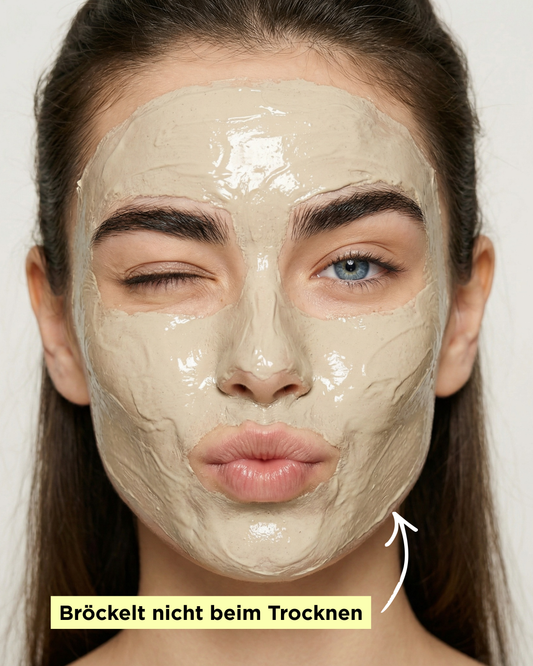
Impure skin, acne, pimples and large pores – almost everyone knows these problems.
Many people, in their desperation, resort to harsh products such as highly concentrated benzoyl peroxide, strong peels, or alcohol-based toners. While these may provide short-term relief, they can damage the skin barrier in the long run and worsen the problem. Therefore, modern dermatology and skincare are focusing on a new approach: mild, scientifically proven active ingredients for acne and blemished skin that offer lasting relief without unnecessarily burdening the skin.
Acne and its consequences can be sustainably eliminated, especially in adults, with the right remedies and methods.
Causes of acne and blemished skin: Where do pimples and large pores come from?
Acne is a multifactorial skin condition in which various factors interact. One of the main causes is excessive sebum production. When the skin produces too much sebum, the pores clog more easily. In addition, there is a keratinization disorder of the skin: dead skin cells do not shed properly but instead clump together, leading to the formation of blackheads and whiteheads.
Why aggressive acne treatments are often counterproductive
Many people with acne believe that you have to "dry out" blemished skin. Therefore, they resort to products that are very drying or radically cleanse the skin. Benzoyl peroxide, for example, can reduce bacteria, but it also severely dries out the skin. Highly concentrated AHA or BHA peels can also damage the skin barrier if used too frequently. Alcohol-based toners strip moisture and trigger an overproduction of sebum.
Rumors and myths: These tips against pimples don't help
Many home remedies for acne circulate online, supposedly working wonders. But most are myths – and can even damage the skin. A classic example is applying toothpaste to pimples. Instead of soothing the inflammation, fluorides, menthol, and harsh surfactants further irritate the skin. Lemon juice is also often touted as an antibacterial secret weapon. However, the fruit acid it contains is far too strong and can cause burns and permanent pigmentation spots.
Granular scrubs are particularly problematic. They're supposed to "cleanse" the skin of impurities, but they cause micro-injuries and spread bacteria even further. While the skin may appear smoother in the short term, its condition deteriorates significantly in the long run. These myths demonstrate that not every DIY trick is harmless – many lead to more serious skin problems.
Gentle active ingredients against acne: What really helps
Fortunately, there are numerous ingredients that have been scientifically proven to combat acne while being gentle on the skin.
Niacinamide (Vitamin B3)
It regulates sebum production, strengthens the skin barrier, and has an anti-inflammatory effect. Studies show that niacinamide can be as effective as antibiotics against acne, but without the side effects.
zinc
It has anti-inflammatory and mildly antibacterial properties and helps to normalize sebum production. Zinc PCA in serums is particularly recommended for acne patients.
Green tea extract
Contains polyphenols such as EGCG, which reduce sebum production and inhibit C. acnes. It also protects the skin from oxidative stress.
Centella Asiatica (Cica)
Soothes irritated skin, reduces redness and supports wound healing – ideal for acne scars and sensitive skin.
Panthenol (provitamin B5)
It regenerates the skin barrier, provides moisture and soothes irritation, allowing pimples to heal faster.
Gentle acids such as PHA or lactobionic acid
They exfoliate the skin very gently, have an antioxidant effect and improve the skin structure without causing irritation.
Sulfur in low concentration
It has an antibacterial effect, reduces blackheads and can dry out pimples without massively stressing the skin barrier.
These ingredients show that mild acne care is often more sustainable and better tolerated than aggressive treatments.
Gentle skincare routine for blemished skin
An effective acne treatment routine doesn't have to be complicated – consistency and the right product selection are crucial.
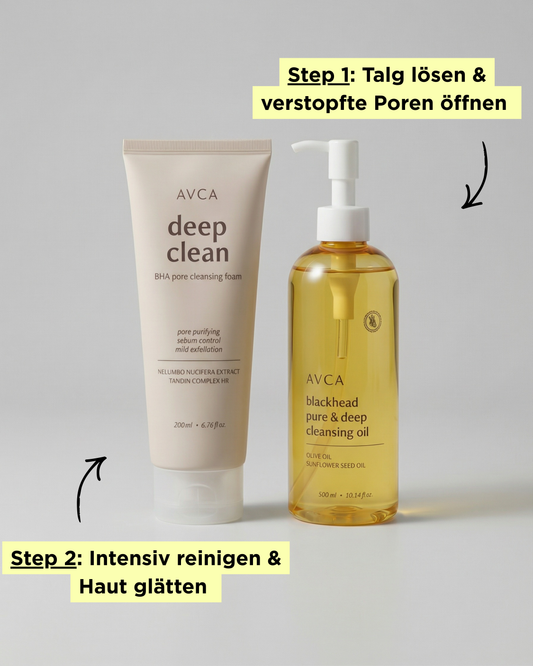
It all starts with gentle cleansing. A mild, pH-neutral cleansing gel removes dirt, sebum, and makeup without damaging the skin barrier. The "squeaky" feeling after washing is a warning sign of over-cleansing.
Afterwards, the skin needs moisture and barrier protection. Light serums with niacinamide or panthenol, as well as non-comedogenic creams, provide optimal care for the skin.
Spot treatments with zinc or sulfur can be applied directly to pimples. Serums containing Centella Asiatica or green tea are recommended for general soothing.
A gentle chemical peel with PHA or low-dose BHA once or twice a week helps keep pores clear. It's important to give the skin enough time to regenerate.
Daily sun protection is especially important. Modern, lightweight fluids are also suitable for acne patients, preventing new inflammation and protecting against acne scars and pigmentation spots.

Everyone knows better, but many still can't help themselves: Keep your hands off pimples! You fight them with the right active ingredients and patience, not with force.
Korean skincare: Active ingredients that help with blemished skin
Korean skincare (K-Beauty) is known worldwide for its innovative products and its focus on gentle yet effective skincare. This approach is particularly interesting for people with acne, as it relies less on harsh products and instead strengthens the skin barrier.
The layering principle is typical: several light products with low doses of active ingredients are applied on top of each other. This ensures that the skin is continuously cared for without being overwhelmed.
Centella Asiatica (Cica)
Few ingredients are as prevalent in Korean products as centella. It soothes the skin, reduces inflammation, and is ideal for acne.
Tea tree oil
In a mild, diluted form, it has antibacterial and anti-inflammatory properties – a classic in Korean spot treatments.
Propolis
Propolis has strong antimicrobial properties and is also moisturizing and soothing – perfect for blemished but sensitive skin.
Fermented ingredients
(e.g., Galactomyces, Bifida Ferment Lysate) support the skin microbiome, strengthen the skin barrier and ensure a balanced skin appearance.
Mugwort (Korean: “Artemisia”)
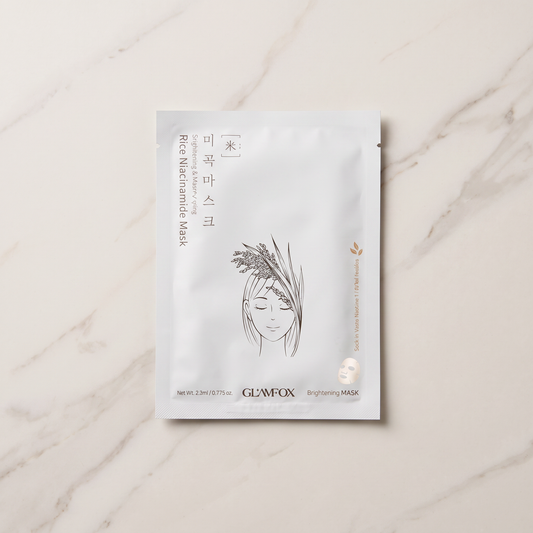
A traditional ingredient that soothes inflammation and reduces redness – popular in serums and masks for acne.
PHA (polyhydroxy acids)
Included in many Korean toners and essences, they have an exfoliating effect, but are so gentle that they are also suitable for sensitive, acne-prone skin.
Through this combination of soothing, moisturizing and antibacterial active ingredients, K-Beauty pursues a holistic approach: not fighting the skin, but strengthening it so that it can bring itself back into balance.
Everyone knows better, but many still can't help themselves: Keep your hands off pimples! You fight them with the right active ingredients and patience, not with force.
More than just skincare: Nutrition, stress & patience
Successful acne care consists of more than just creams and serums. Lifestyle factors also play a crucial role. A diet high in sugar and refined flour promotes breakouts, as does a high consumption of dairy products. Stress leads to the release of cortisol, which increases sebum production. And lack of sleep slows down skin regeneration.
Patience is especially important. Skin needs six to eight weeks to visibly respond to a new routine. Constantly switching products or panicking and resorting to harsh treatments usually only makes the situation worse.
FAQ: Frequently asked questions about gentle acne care
How long does it take for mild anti-acne medications to work?
Initial improvements are usually visible after four to six weeks. However, lasting results take three months or longer.
Can I get rid of acne with skincare alone?
Mild to moderate acne can often be significantly improved with consistent skincare. However, severe acne should be treated with medical help.
Don't mild products make the skin too oily?
No – quite the opposite. Strengthening and moisturizing the skin barrier regulates sebum production in the long term. Harsh products, on the other hand, exacerbate the problem.
Does Korean skincare really help with acne?
Yes, because many K-beauty products specifically focus on strengthening the skin barrier, soothing the skin, and using light, non-comedogenic textures. Active ingredients like niacinamide, centella, propolis, or PHA are particularly helpful in this regard.
Conclusion: Gentle acne care is more sustainable
Acne and blemished skin are complex problems that cannot be permanently solved with harsh treatments. A strong skin barrier is the best foundation for clear skin. Gentle active ingredients such as niacinamide, zinc, centella sulfate, or PHA reduce inflammation, normalize sebum production, and restore the skin's long-term balance.
The key lies in consistency, patience, and gentle care. Protecting your skin barrier lays the foundation for healthy, clear, and resilient skin – and eliminates the need for harsh "miracle products."